

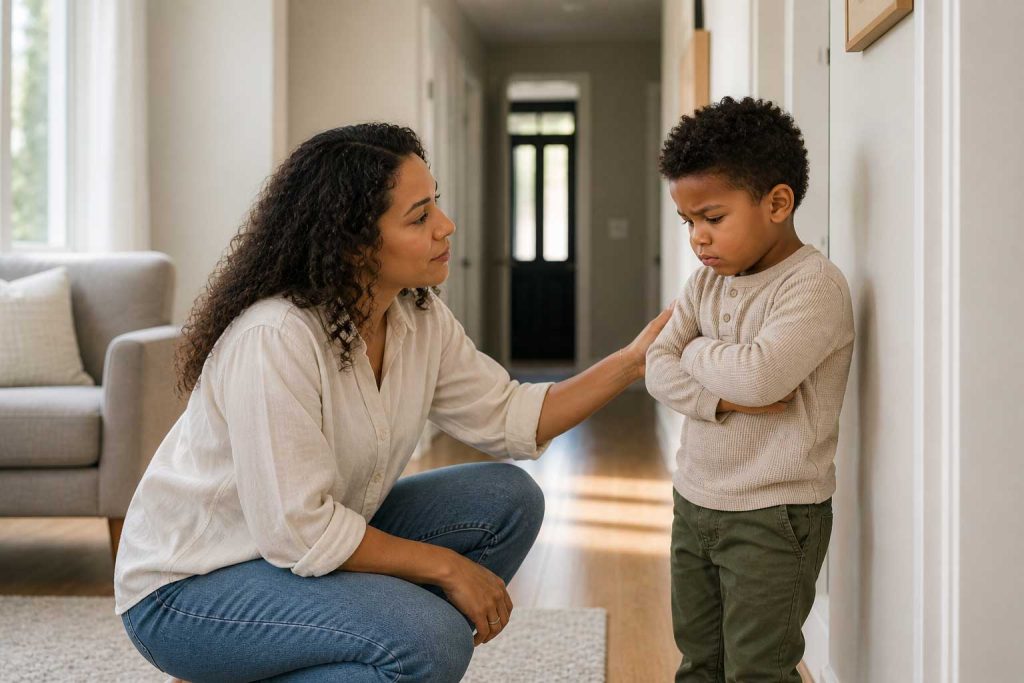
Potty training can feel like it’s going smoothly—until suddenly, it isn’t.
If your toddler refuses to sit on the potty, resists every attempt, or turns it into a daily battle, you’re not alone. Potty training resistance is incredibly common, and it doesn’t mean you’ve done anything wrong.
In fact, resistance is often a sign that your child needs a different approach—not more pressure.
The good news? You can move through this phase calmly, without power struggles, and help your child feel more confident along the way.
Why Potty Training Resistance Happens
Before you can fix resistance, it helps to understand what’s causing it.
Most toddlers aren’t being “stubborn” on purpose. Instead, resistance usually comes from one of these underlying reasons:
- They’re not quite ready yet
- They feel pressure or expectations
- They want control over their body
- They’ve had a stressful or rushed experience
- They feel unsure, anxious, or overwhelmed
Potty training is a big transition. For a child, it’s not just about learning a skill—it’s about giving up something familiar and stepping into something new.
When that feels uncomfortable, resistance shows up.
What NOT to Do When Your Child Refuses the Potty
When potty training isn’t working, it’s easy to feel frustrated. But certain responses can actually make resistance stronger.
Try to avoid:
- Forcing your child to sit on the potty
- Turning it into a power struggle
- Using punishment or shame
- Constant reminders or pressure
- Comparing them to other children
These approaches can create anxiety and make your child associate the potty with stress instead of confidence.
A Calm, Effective Approach to Potty Training Resistance
Instead of pushing harder, the key is to step back and shift your approach.
Here’s what works better:
1. Take the Pressure Off
If your child is resisting, it’s often a sign that things feel too intense.
Try saying:
“We’re going to take a little break. We’ll try again when you’re ready.”
This doesn’t mean giving up—it means resetting.
When pressure goes down, cooperation usually goes up.
2. Give Your Child Some Control
Toddlers naturally want independence. Potty training is one of the first areas where they can assert it.
Offer simple choices like:
- “Do you want to use the potty now or in a few minutes?”
- “Do you want me to stay with you or give you a little space?”
- “Do you want to walk to the bathroom or have help getting there?”
- “Do you want to flush, or should I?”
Even small choices can reduce resistance and build cooperation.
3. Focus on Connection First
When a child feels understood, they’re more likely to participate.
Instead of correcting, try connecting:
“It looks like you don’t want to use the potty right now. That’s okay. I’m here to help.”
This shifts the dynamic from conflict to support.
4. Watch for Readiness Signals
Sometimes resistance happens because a child simply isn’t ready yet.
Look for signs like:
- Staying dry for longer periods
- Showing interest in the bathroom
- Telling you when they need to go (even after the fact)
If these signs aren’t consistent yet, it may be worth slowing down rather than pushing forward.
5. Keep the Environment Calm and Predictable
Children respond best when things feel consistent and safe.
Try:
- Keeping routines simple
- Using the same potty setup
- Avoiding sudden changes or pressure
A calm environment helps your child feel secure enough to try.
What If You’ve Already Tried Everything?
If you’re thinking:
“We’ve tried all of this, and it’s still not working…”
You’re not alone.
Some children need a more personalized approach based on:
- Their temperament
- Past experiences
- Developmental readiness
- Family routines
Potty training isn’t one-size-fits-all—and when the approach doesn’t match the child, resistance is often the result.
When to Pause (And Why It Helps)
Sometimes the best thing you can do is pause.
Taking a short break from potty training:
- Reduces stress for both you and your child
- Helps reset the experience
- Prevents long-term resistance
When you come back to it later, things often feel much easier.
You Don’t Have to Figure This Out Alone
Potty training resistance can feel exhausting—but it doesn’t have to stay that way.
With the right approach, most children move through this phase and become confident, independent with the potty.
If you’re feeling stuck, overwhelmed, or unsure what to try next, getting support can make a huge difference.
A Calm Path Forward
Potty training doesn’t have to be a battle.
When you shift from pressure to support, from control to connection, things begin to change—often faster than you expect.
Every child learns differently. With patience, the right guidance, and a calm approach, your child can succeed.
Get personalized support tailored to your child’s needs, temperament, and daily routine.
Get personalized support tailored to your child’s needs, temperament, and daily routine.
Book a consultation and get clear, step-by-step guidance you can start using right away.